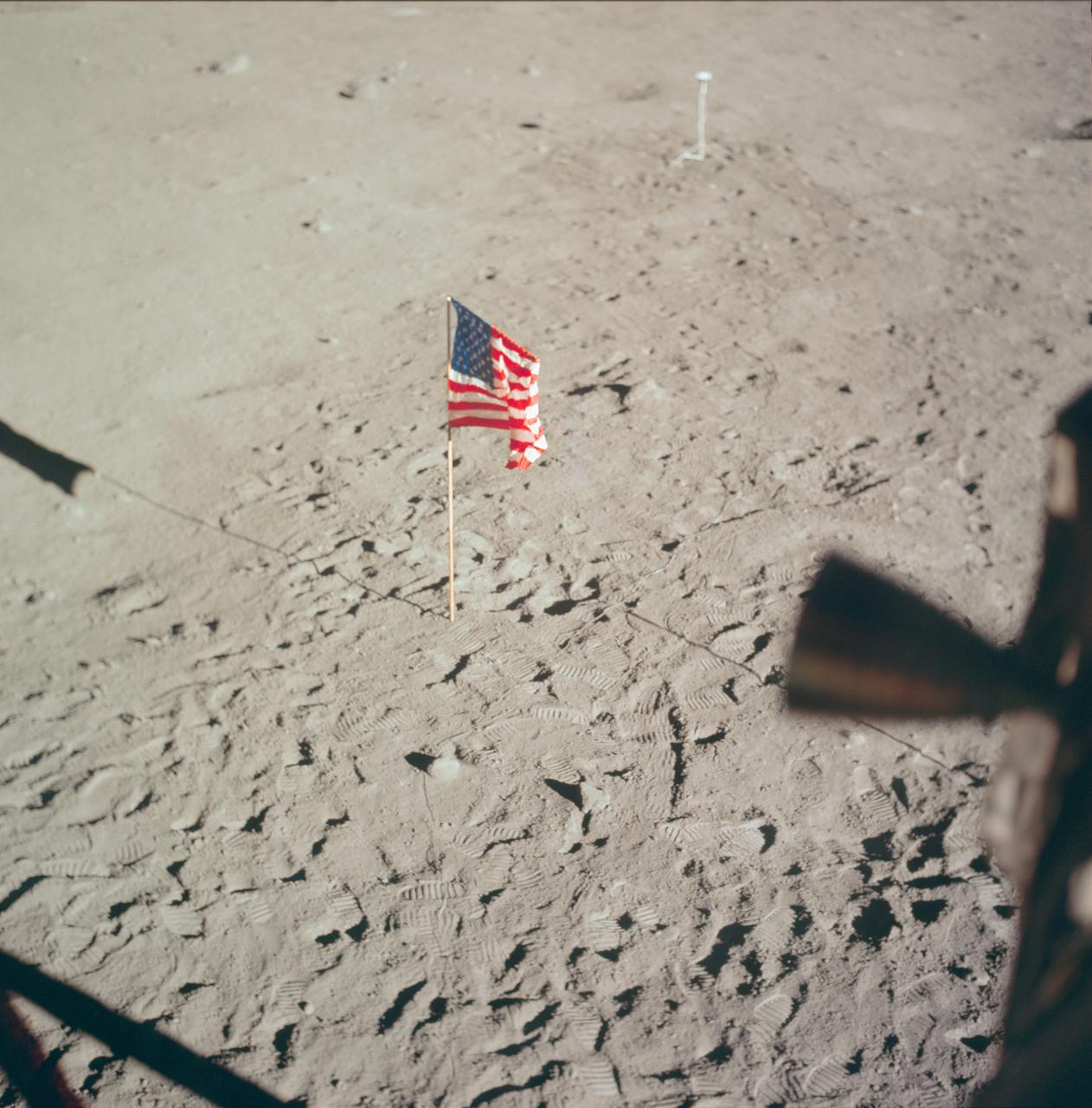
Geometric distance between the centres of Earth and the Moon, interpolated from NASA/JPL Horizons vectors.
A world that changes its appearance
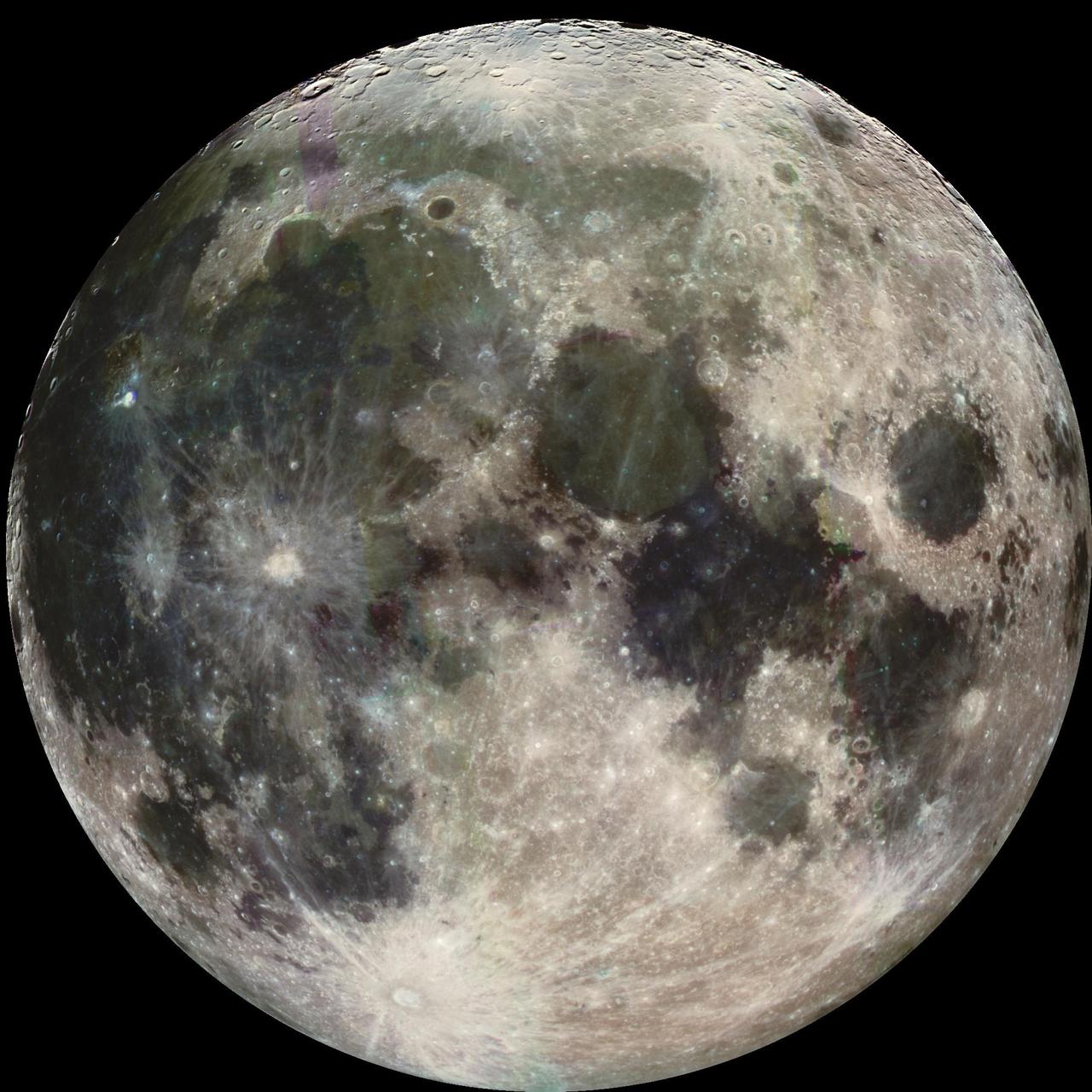
The Moon reflects sunlight. As it orbits Earth, the illuminated portion visible to us changes, producing the phases. Earth’s shadow causes a lunar eclipse when the Sun, Earth and Moon align appropriately.
The same face, not always in darkness
The Moon rotates and orbits Earth in nearly the same time, so it shows us mostly the same half. The Sun rises and sets on the far side too.
NASA · Moon facts ↗ · NASA/JPL · Horizons ↗
FACTS TO EXPLORE
Values are rounded. AU means astronomical unit. NASA source ↗
Reflecting light is not the same as sending a radio signal
A laser retroreflector sends incoming light back towards its source. The Apollo panels do not broadcast a position: a station measures the pulse’s return time. A navigation beacon such as LN-1 instead transmits radio signals. Optical ranging and radio navigation are different techniques, even though both can help determine distances or positions.